Skip to content
Andrew V. Kudin

Research & Philosophy

Questions that continue to shape my work

My research grows from a sustained interest in how philosophical ideas emerge, move through history, and enter human life. I return again and again to the point where thought ceases to be abstract and begins to shape the world we live in.

Research Areas

Across Philosophical Traditions

My research is grounded in comparative analysis across philosophical traditions. I begin by reconstructing each tradition within the linguistic and historical conditions that gave rise to its conceptual framework, rather than assuming that its categories are readily commensurable with those of others. Only then does comparison begin. Its purpose is to distinguish genuine convergence from superficial resemblance and to identify concepts that cannot pass from one tradition to another without loss or distortion.

01

Comparative Philosophy & Conceptual Translation

Comparison across traditions requires more than matching terms. Concepts change as they move between languages and intellectual worlds, and translation can create an appearance of equivalence where none truly exists. The central question is how far comparison can go without erasing the distinctions on which a tradition's philosophical integrity depends.
02

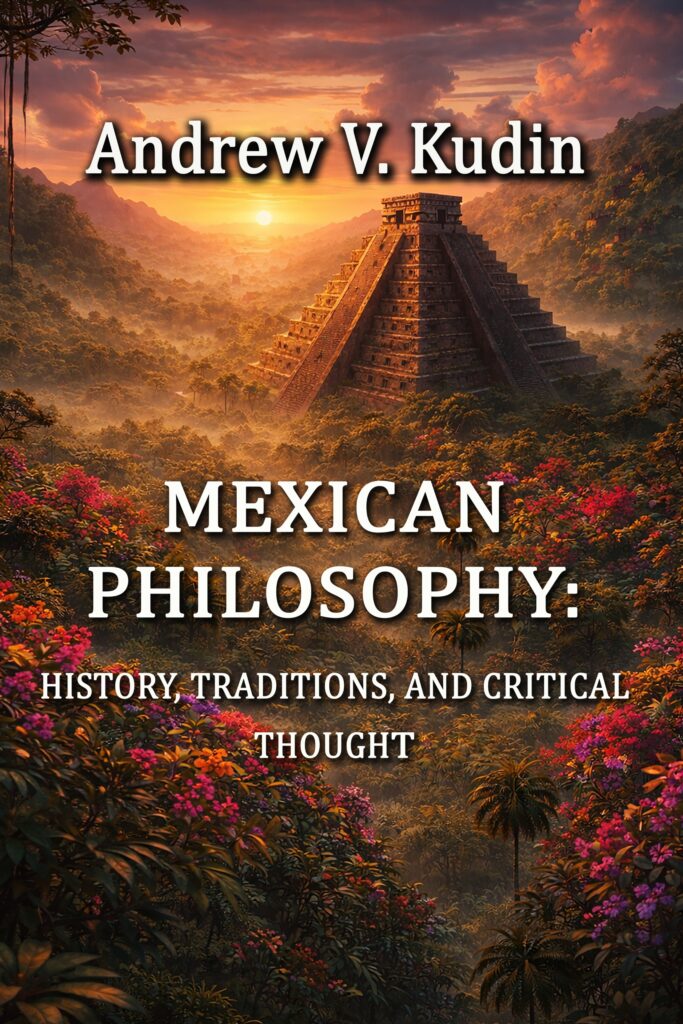
Mexican Philosophy & Mesoamerican Thought

Mexican philosophy emerges here as a historically layered field, extending from Nahua and Maya thought through the colonial rupture into modern philosophical debate. The central concern is what survives such ruptures: the endurance and transformation of concepts, and the way translation alters a tradition's understanding of itself.

03

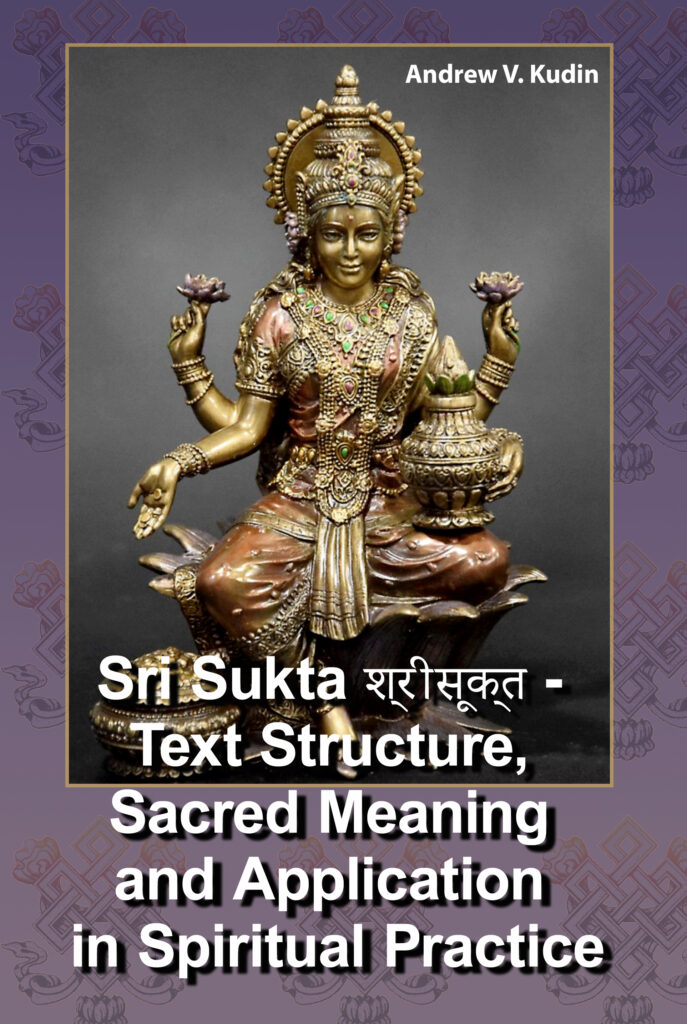
Indian Philosophy, Sanskrit Texts & Kashmir Shaivism

Sanskrit texts provide the foundation for this line of research. From Vedic sources to Kashmir Shaivism, the inquiry centers on conceptions of consciousness and reality whose philosophical force is often diminished in translation. Comparative interpretation begins with the conceptual structure of the texts themselves.

04

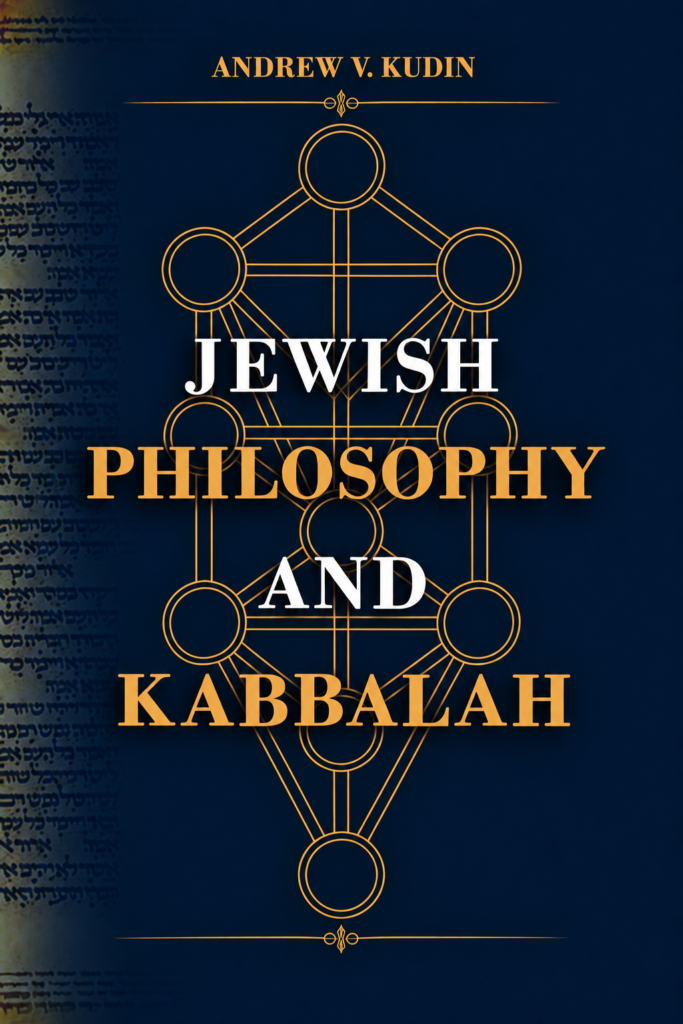
Jewish Philosophy & Kabbalah

Jewish philosophy becomes especially revealing where philosophical reasoning and Kabbalistic thought meet within the same intellectual tradition. The focus is on the ways metaphysical questions are recast through Kabbalistic concepts, particularly in accounts of the relation between finite existence and the infinite.

05

History of Western Philosophy

The history of Western philosophy is treated as a history of transformed problems rather than a sequence of isolated doctrines. From antiquity through medieval and modern thought into contemporary philosophy, the emphasis falls on conceptual inheritance—on the ways later systems preserve earlier questions while changing the terms in which those questions can still be asked.

06

Political Philosophy: State, Power & Regimes

Political order begins with philosophical claims about legitimate rule and takes durable form through institutions. This line of research follows that movement from the foundations of the state to forms of government and political regimes, asking how authority is organized and where political freedom is preserved, narrowed, or lost.

07

Philosophical Methods & Modes of Inquiry

Philosophical methods shape the field of inquiry before any conclusion is reached. A change of method alters what counts as evidence, how a problem is interpreted, and which dimensions of it become visible. Method is therefore never neutral: it helps determine the world that inquiry is able to disclose.

08

Philosophy of Religion & Mystical Traditions

Religious and mystical traditions raise a distinctive philosophical question: what becomes of reason when revelation or transformative experience enters philosophical inquiry? The comparison turns on the shifting boundary between argument and experience, and on the different forms philosophical reflection assumes once that boundary is no longer fixed.

Major Projects

Research projects

These long-term projects define the central architecture of my research. Some work comparatively across philosophical traditions; others pursue a particular tradition or philosophical problem in depth. Together, they connect historical reconstruction with sustained inquiry into the conceptual structures that shape philosophical and political thought.

01

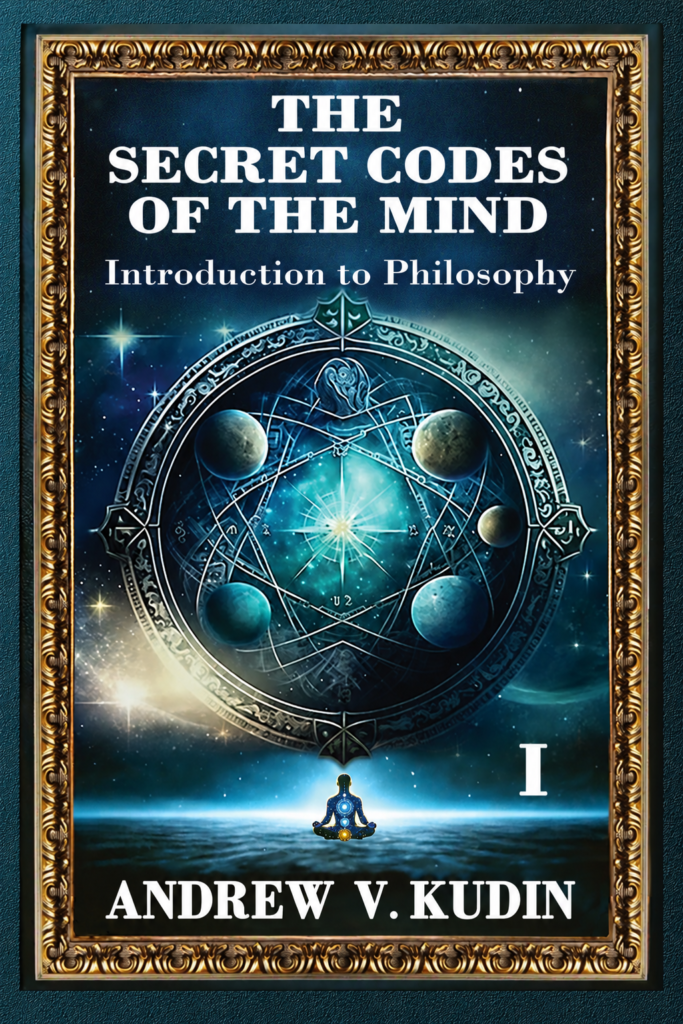
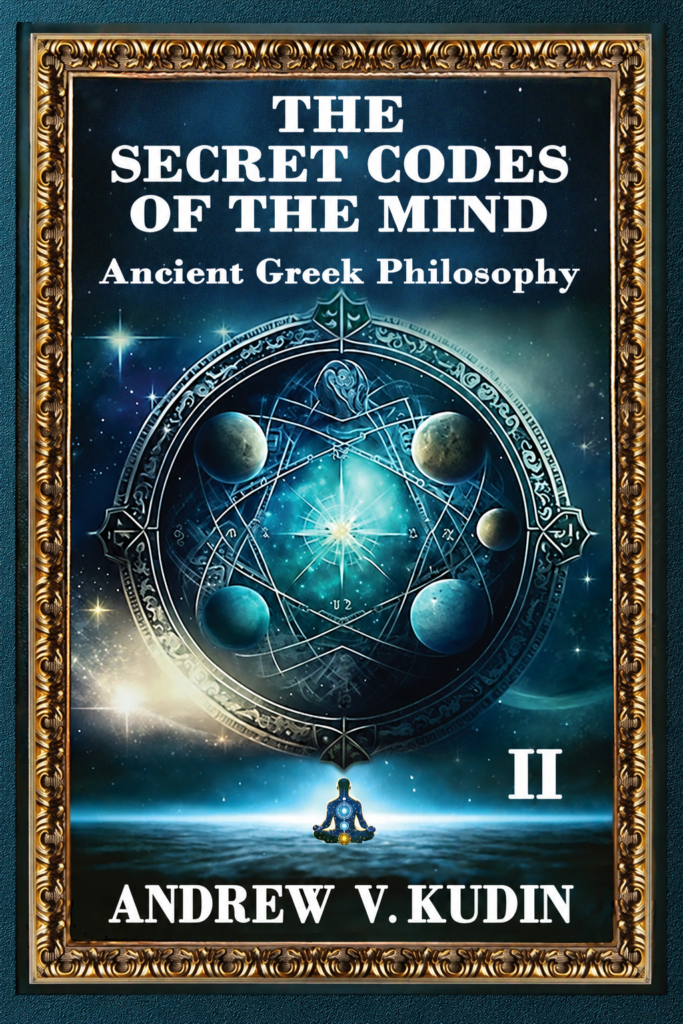
The Secret Codes of the Mind

This multi-volume project reconstructs the history of philosophy across major intellectual traditions, treating them as evolving conceptual worlds rather than as isolated doctrines. Its comparative framework traces how different civilizations have understood reality, consciousness, and the human place within the world while preserving the historical and linguistic specificity of each tradition.

02

Foundations of Political Philosophy

This project examines political order from first principles to institutional form. Beginning with the philosophical foundations of the state, it traces their expression in forms of government and political regimes, with particular attention to the legitimacy of authority and the institutional conditions under which political freedom is preserved or constrained.

03

Mexican Philosophy

This project reconstructs Mexican philosophy as a distinct intellectual tradition, from Nahua and Maya thought through colonial transformation to modern and contemporary philosophy. It examines continuity across historical rupture, the philosophical consequences of translation, and the ways Mexican thought has defined itself within changing cultural and political worlds.

Philosophy in Books

Research in book form

Some arguments require the space of a book: sustained analysis that can remain historical, comparative, and conceptual at once. The works collected here develop my research in full-length form, moving from the history of philosophy and particular philosophical traditions to political thought and philosophical method.

Explore books