Volume II
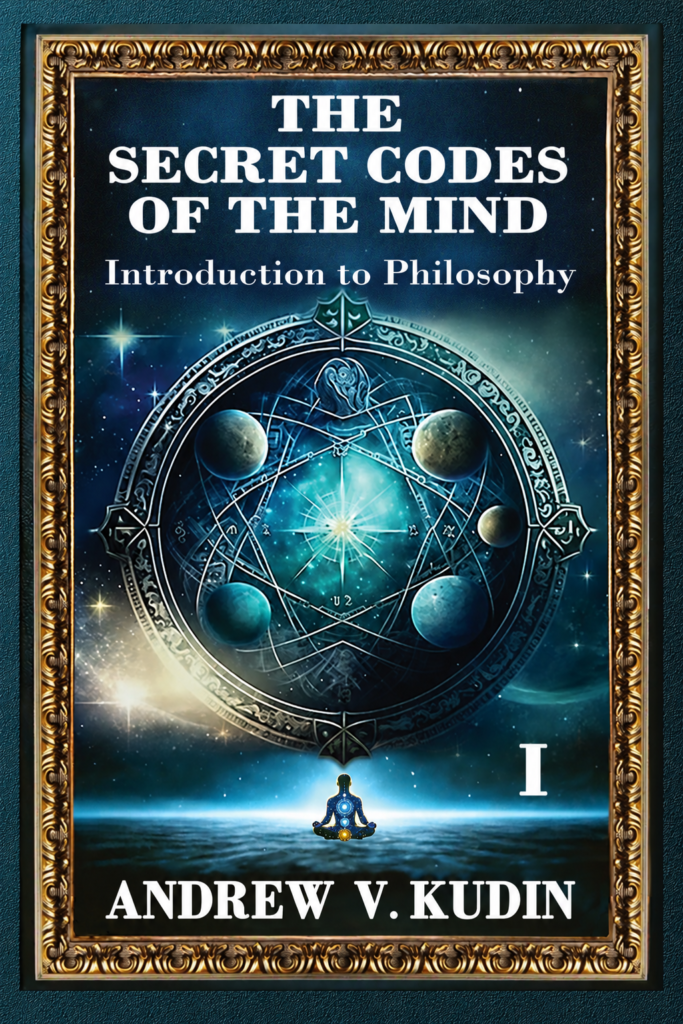
Book · Volume I
The Secret Codes of the Mind: Introduction to Philosophy
Second Revised and Expanded Edition
- Paperback
- ISBN 978-1-971325-20-0
- Hardback
- ISBN 978-1-971325-19-4
- Kindle
- ISBN 978-1-971325-21-7
- EPUB
- ISBN 978-1-971325-22-4
- Audiobook
- B0FBHB7XC8
- LCCN
- 2026914137
Overview
About the Book
Philosophy begins when the obvious stops being obvious.
The Secret Codes of the Mind: Introduction to Philosophy, Volume I approaches philosophy as an intellectual practice: a disciplined way of questioning what appears obvious and following an argument farther than habit usually allows.
Built on more than four decades of university teaching and research, this Second Revised and Expanded Edition is a comprehensive philosophy textbook for college courses and independent readers. The volume introduces the major branches of philosophy, investigates the fundamental categories through which thought organizes reality, explores questions of consciousness, matter, space, time, and freedom, and examines sixteen distinct methods of philosophical analysis.
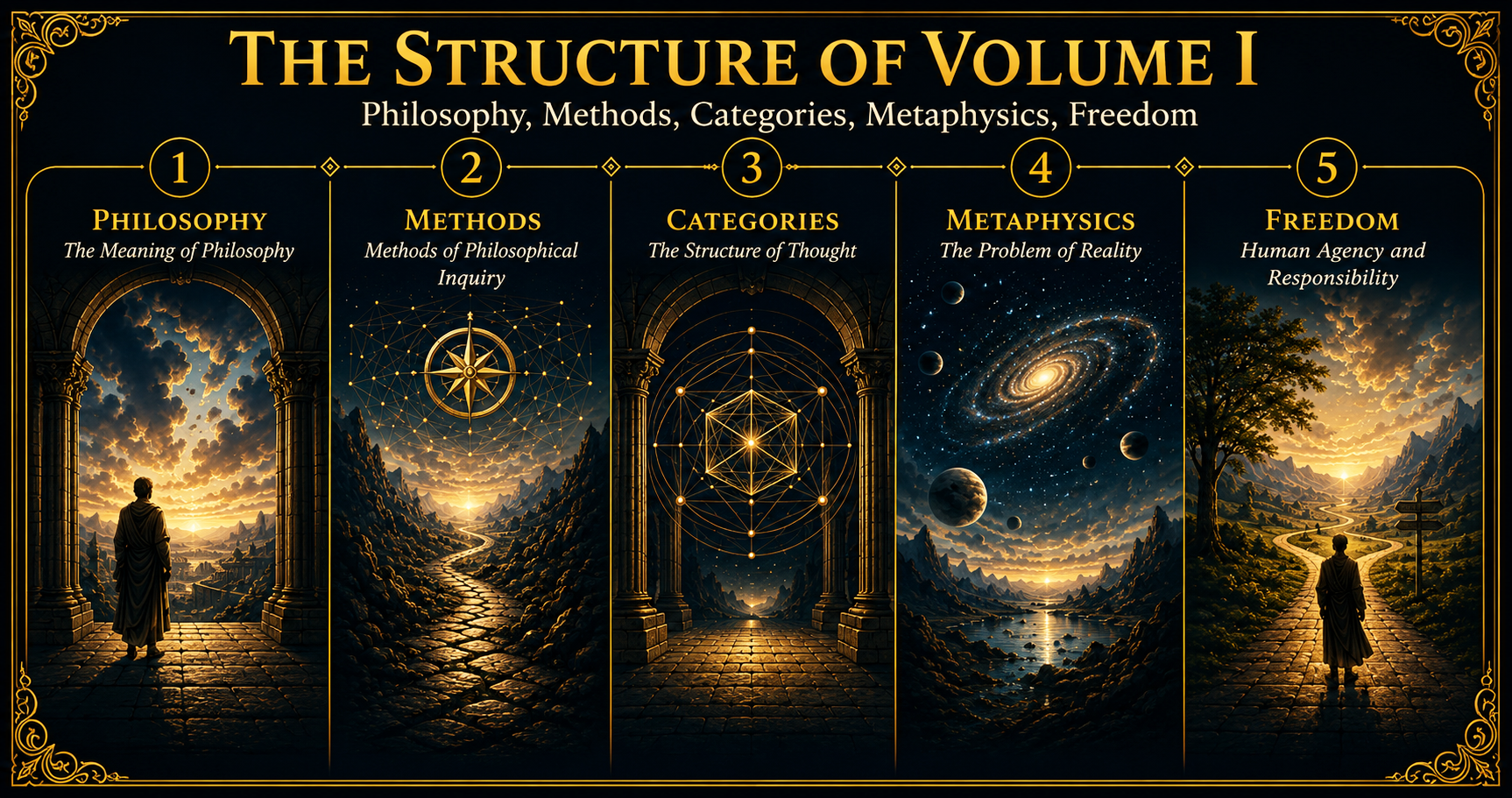
WHAT VOLUME I COVERS
Lecture 1. Definition of Philosophy, Main Branches, Concepts, and Their Practical Application
What philosophy investigates, how its principal branches differ, and why metaphysics, epistemology, ethics, aesthetics, logic, and political philosophy continue to shape questions of knowledge, value, and human action.
Lecture 2. Philosophical Methods and Their Application in the Art of Living
The methods of philosophical analysis meet problems that resist easy answers and works of literature in which those problems take concrete form. The lecture follows assumptions to their consequences and carries the same discipline into the examination of one’s own life.
Lecture 3. Philosophical Categories: From Chaos to Order in the Understanding of Being
Being, causality, truth, unity, difference, quantity, and quality form part of the conceptual architecture through which thought organizes experience. The lecture examines how such categories make reality intelligible before we begin arguing about what reality ultimately is.
Lecture 4. The Metaphysics of the Universe: Consciousness and Matter in Time and Space
Consciousness and matter, space and time raise some of philosophy’s most persistent questions about reality. Ancient cosmology, modern philosophy, and contemporary debate approach them from different directions.
Lecture 5. Freedom: Between Reality and Illusion
Free will and determinism open the problem; autonomy and responsibility make its consequences unavoidable. How much of what we call freedom survives once necessity, circumstance, and the conditions of choice are taken seriously?
Each lecture includes Questions and Assignments for active engagement with the text, together with Recommended Literature for deeper study.
FOR INSTRUCTORS
Volume I is designed for college-level Introduction to Philosophy courses and can serve as a core text for a problem-centered approach. Philosophical analysis and critical thinking begin in the first lecture and continue through the assignments. The volume also establishes the conceptual foundation for the books that follow in The Secret Codes of the Mind.
FOR INDEPENDENT READERS
No previous study of philosophy is required. The book begins at the foundation, yet it never treats the beginner as intellectually passive; from the opening lecture onward, the reader is expected to question, compare, judge, and revise.
Philosophy matters when an idea no longer stays on the page. It begins to alter what you notice, what you accept as evidence, and how readily you trust the assumptions behind your own decisions.
Sample
Read an Excerpt
Here the book returns to first things: the definition of philosophy and the main branches through which philosophical inquiry takes shape. The reader sees philosophy built from the ground up—from the questions it asks to the intellectual tools that make rigorous inquiry possible.
Reviews & Endorsements
Praise for the Book
— Julian Bruno, M.A., Philosophy InstructorA Review and Testimonial for Dr. Andrew Kudin’s The Secret Codes of the Mind: Introduction to Philosophy Vol I
In Early August of 2024 I got hired to be a Philosophy Instructor at Lamar State College Port Arthur, Texas. But being hired just three weeks before the semester meant that I didn’t have a textbook lined up ready to go for the semester, though I was attempting to find one through, among other places, Amazon website.
Well, the semester started and so for this first semester I used material that the head of the department offered me. This did give me time to find a textbook without too much of a rush for any future semesters. Looking through/on the Amazon website one can find many textbooks entitled, Introduction to Philosophy, and so I did purchase 7 different books, and looked through the table of contents through at least 5 others because thankfully they could be seen online. Among those I bought was Dr. Andrew Kudin’s, The Secret Codes of the Mind: Introduction to Philosophy Vol. I, which I found to be the best Introduction to Philosophy textbook of these many other offerings.
There are several features in/to his book that really offers a great overview to the subject of Introducing Philosophy that was simply not seen/read in any of these other Introductory textbooks. There are three big reasons why I chose this book.
One, addressing the Primary Question in Philosophy, which is What is Primary? Consciousness or Matter. So, when one considers every school of thought in philosophy, that is the metaphysics and epistemology they hold, everyone one of them goes back to how this Primary question is answered. I couldn’t/didn’t find this in any of these other books in such a clear-cut manner.
Two, Philosophical Methodologies, 16 Methodologies of the various schools of philosophical thought, such as the Idealist or Empirical Methods. When I read these other textbook offerings, you can get some idea of a number of different methods, but not the complete, wide-ranging scope that I found in Dr. Kudin’s book.
And third, the Categories, such as Essence and Appearance, Content and Form, Necessity and Contingency, and with Good and Evil being among them, etc. Dr. Kudin’s book goes over 16 different categories “From Chaos to Order in the Understanding of Being”. Who knew!? Now when I read over the table of contents of these other books, or even perused the chapters, I certainly didn’t see ALL these categories, only some of them. So, this was a third point/feature of his book that made it worth choosing as a course textbook for a college level course.
So, the next year in the Fall of 2025, when I was hired at Lamar University in Beaumont, Texas, I had his textbook as the required textbook for my Philosophy of Knowledge course.
Another thing I’d like to say about Dr. Kudin’s book, or rather his entire series of The Secret Codes of the Mind Philosophy books, which is a set of six books. As a result of liking his book #I, I bought the other five books in his series. An entire encyclopedia set of Philosophical knowledge.
Video Reviews
On Screen


Listen
Audio Excerpt
Related Volumes
In This Series
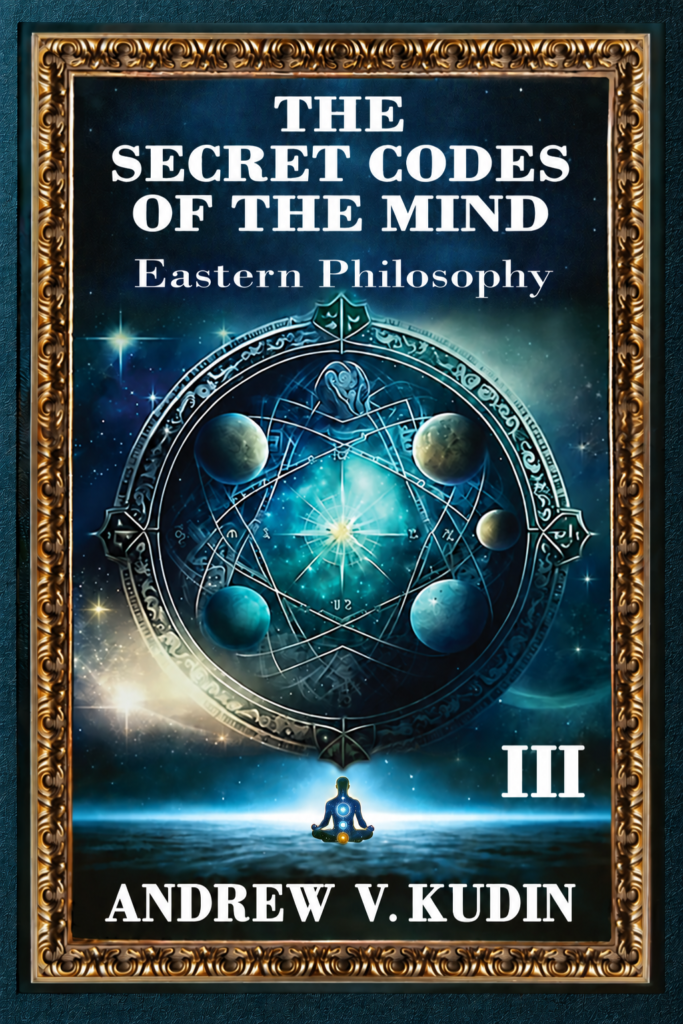
Volume III
The Secret Codes of the Mind: Eastern Philosophy
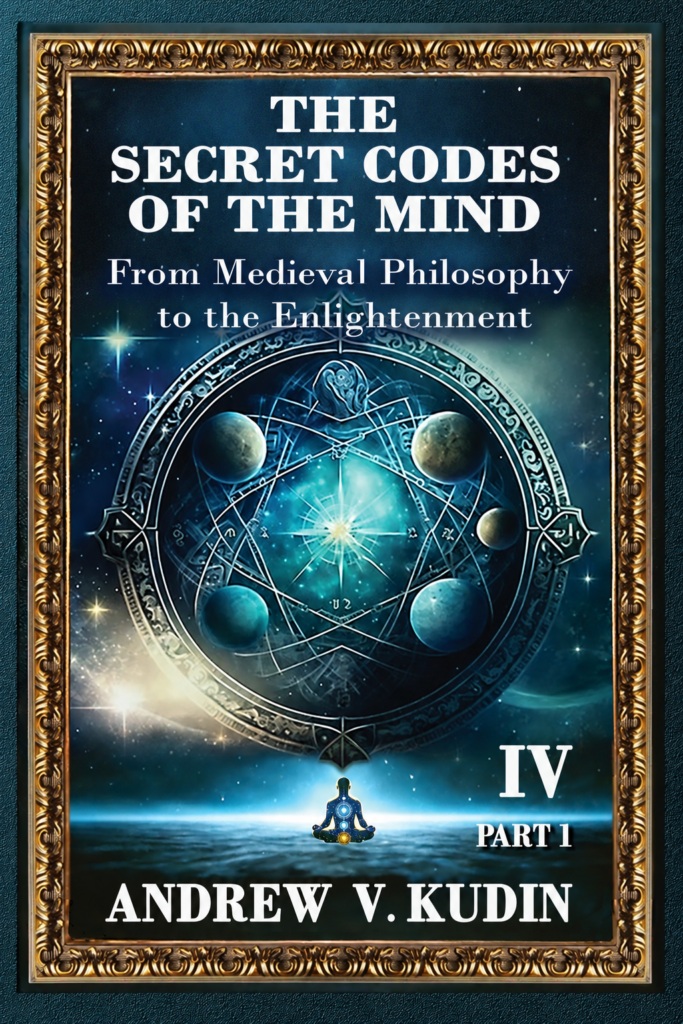
Volume IV · Part I
The Secret Codes of the Mind: From Medieval Philosophy to the Enlightenment, Part One
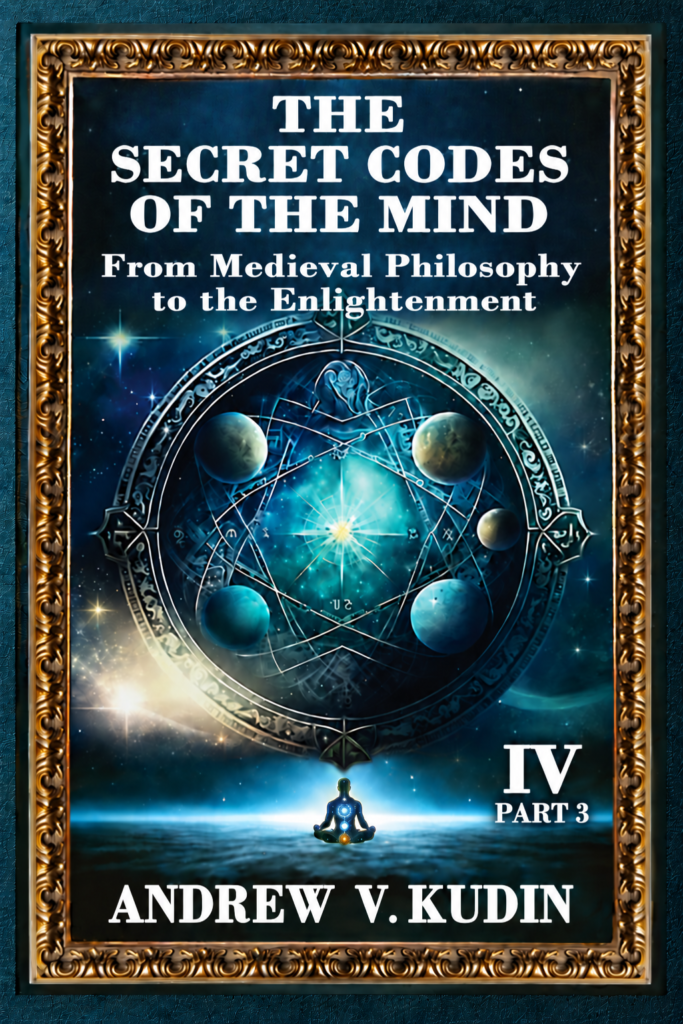
Volume IV · Part III
The Secret Codes of the Mind: From Medieval Philosophy to the Enlightenment, Part Three
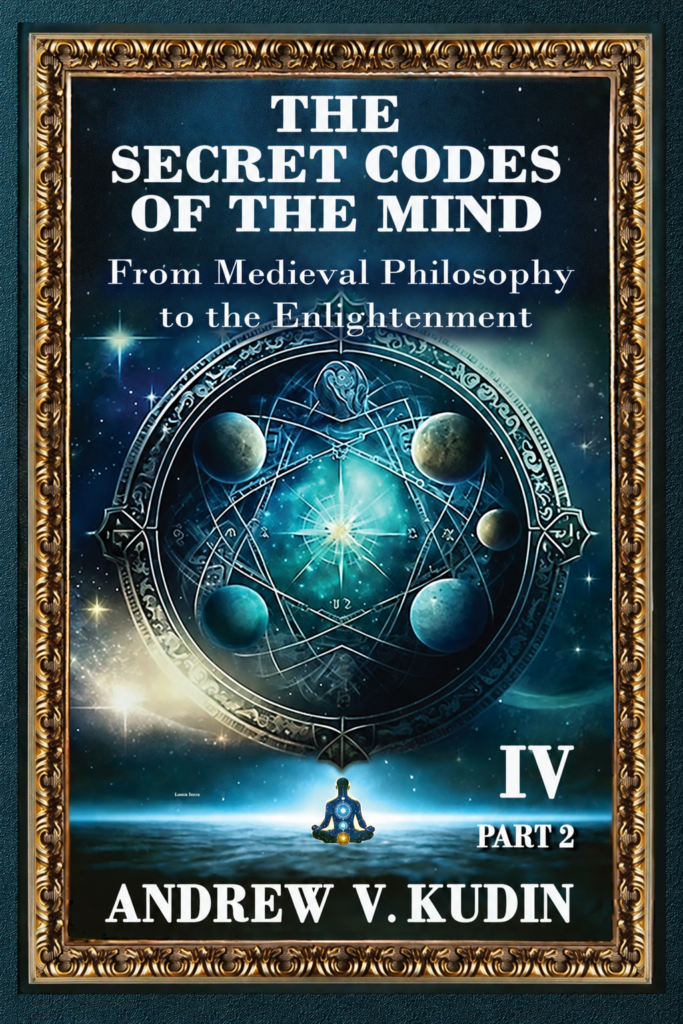
Volume IV · Part II
The Secret Codes of the Mind: From Medieval Philosophy to the Enlightenment, Part Two
Purchase
Where to Buy
Research
Related Articles
Comparative Philosophy & Conceptual Translation: all articles