Volume I
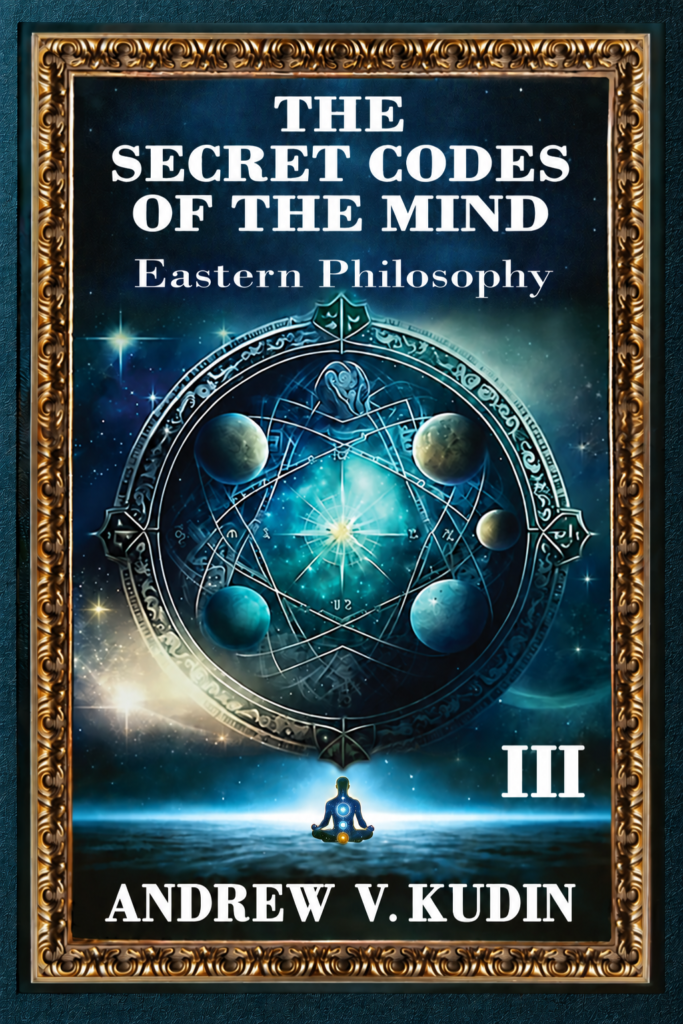
Book · Volume III
The Secret Codes of the Mind: Eastern Philosophy
Second Revised and Expanded Edition
- Hardcover
- ISBN 978-1-971325-27-9
- Paperback
- ISBN 978-1-971325-28-6
- Kindle
- ISBN 978-1-971325-29-3
- EPUB
- ISBN 978-1-971325-30-9
- LCCN
- 2026914137
Overview
About the Book
Can a human being remain free when suffering, desire, and death set the terms of life?
Across India, China, and Japan, philosophical traditions gave radically different answers to that question, along with radically different accounts of what freedom might require.
Eastern Philosophy is Volume III of The Secret Codes of the Mind, the academic philosophy series by Andrew V. Kudin, PhD, developed through more than four decades of teaching and research. This Second Revised and Expanded Edition is organized into two modules: Module III on Indian philosophy and Module IV on the Chinese and Japanese traditions.
These traditions ask philosophical questions through texts, ritual practices, and competing accounts of human transformation. Their differences matter as much as the problems they share.
INSIDE VOLUME III
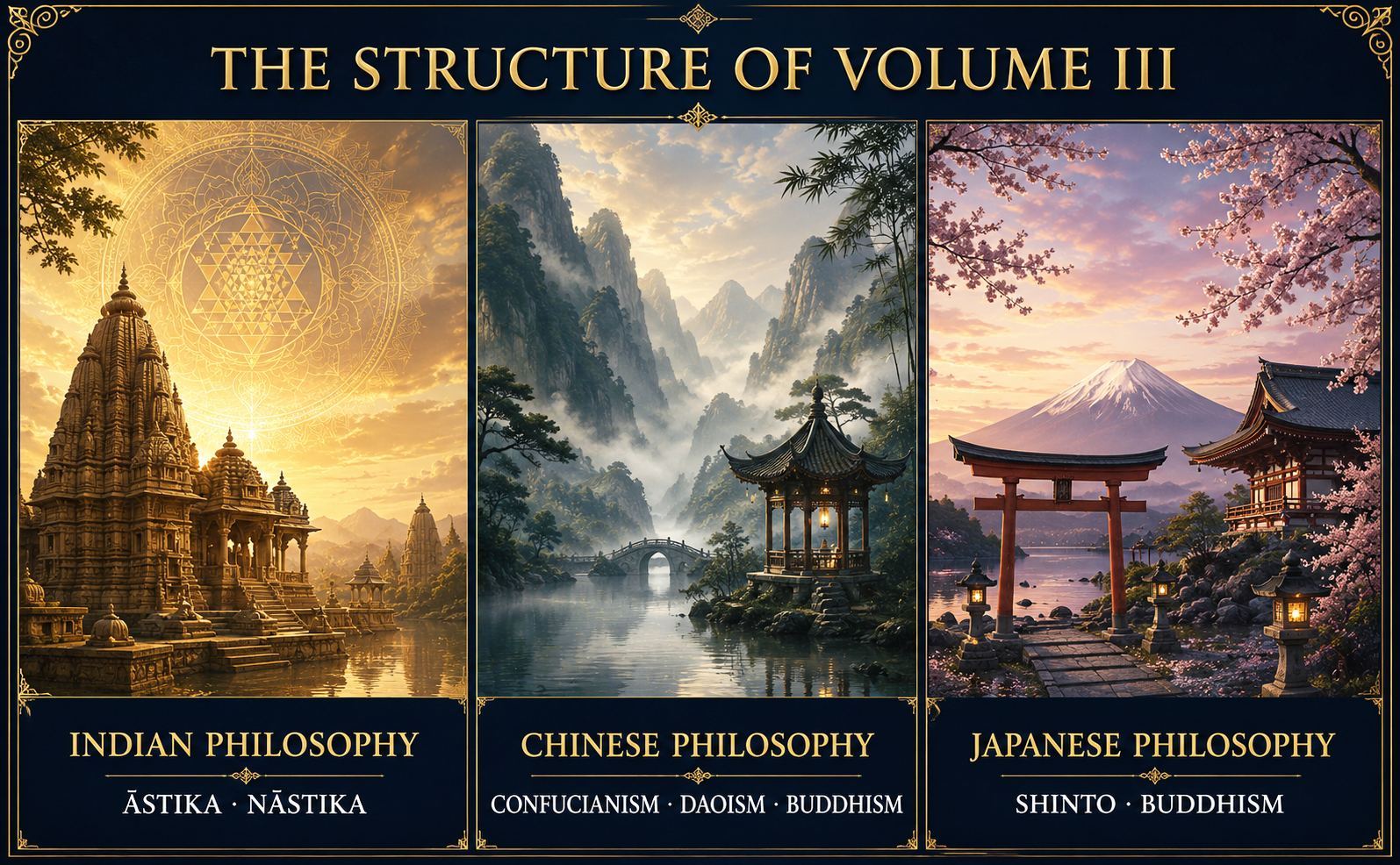
Module III. Eastern Philosophy (India)
Lecture 11. The Wisdom of the Vedas: Introduction to Indian Philosophy
The Vedas and Upanishads raise a question that will echo through later Indian philosophy: how the individual self is related to ultimate reality. Dharma, karma, liberation, and the nature of consciousness develop around this larger field of inquiry.
Lecture 12. Nastika Philosophical Schools (Lokayata, Jainism) and Sikhism
Lokayata challenges religious orthodoxy through materialism; Jainism develops a demanding account of nonviolence, knowledge, and liberation; Sikhism joins spiritual devotion to equality, service, and moral responsibility.
Lecture 13. Buddhism: The Great Renunciation or a Fatal Mistake?
Buddhism places suffering, craving, impermanence, and the problem of the self at the center of philosophical inquiry. The lecture follows the major transformations of Buddhist thought and the different paths proposed for liberation.
Lecture 14. Astika Philosophical Schools: Nyaya, Vaisheshika, Samkhya, and Mimamsa
Four classical schools develop accounts of knowledge and reality. Nyaya examines the conditions of valid cognition; Vaisheshika constructs an atomistic ontology; Samkhya separates consciousness from material nature; Mimamsa gives philosophical authority to ritual interpretation and language.
Lecture 15. Transformation through Knowledge: Yoga and Vedanta on the Nature of Reality
Yoga turns philosophical insight into disciplined practice, while Vedanta asks how consciousness, selfhood, and ultimate reality are related and what kind of knowledge can lead to liberation.
Lecture 16. The Body as the Universe: The Art of Tantra and the Mysteries of Kashmir Shaivism
Tantric traditions and Kashmir Shaivism place consciousness, ritual, and transformation within a vision in which the human body itself participates in the structure of the cosmos.
Module IV. Eastern Philosophy (China, Japan)
Lecture 17. Chinese Philosophy: Confucianism and Daoism
Confucian thought examines moral cultivation through education, ritual, and government. Daoism presses against imposed order and excessive striving, asking how human action might follow the deeper patterns of reality.
Lecture 18. Japanese Philosophy: Between the Cherry Blossom and the Sword
Japanese thought brings Shinto, Buddhist traditions, the Confucian inheritance, and modern philosophy into a sustained reflection on impermanence and mortality.
Each lecture includes Questions and Assignments and Recommended Literature for further study.
FOR STUDENTS, INSTRUCTORS, AND INDEPENDENT READERS
Volume III is written for readers who want to see how these traditions turn philosophical ideas into ways of confronting the conditions of life.
If suffering and mortality cannot be removed from human existence, what kind of freedom is still possible?
Sample
Read an Excerpt
These pages open onto Eastern philosophy through traditions that approach reality, consciousness, knowledge, and human transformation from very different starting points. Indian, Chinese, and Japanese thought emerge here as philosophical traditions in their own right, each with its own conceptual vocabulary, questions, and ways of understanding the human place in the world.
Related Volumes
In This Series
Volume II
The Secret Codes of the Mind: Ancient Greek Philosophy
Volume III
The Secret Codes of the Mind: Eastern Philosophy
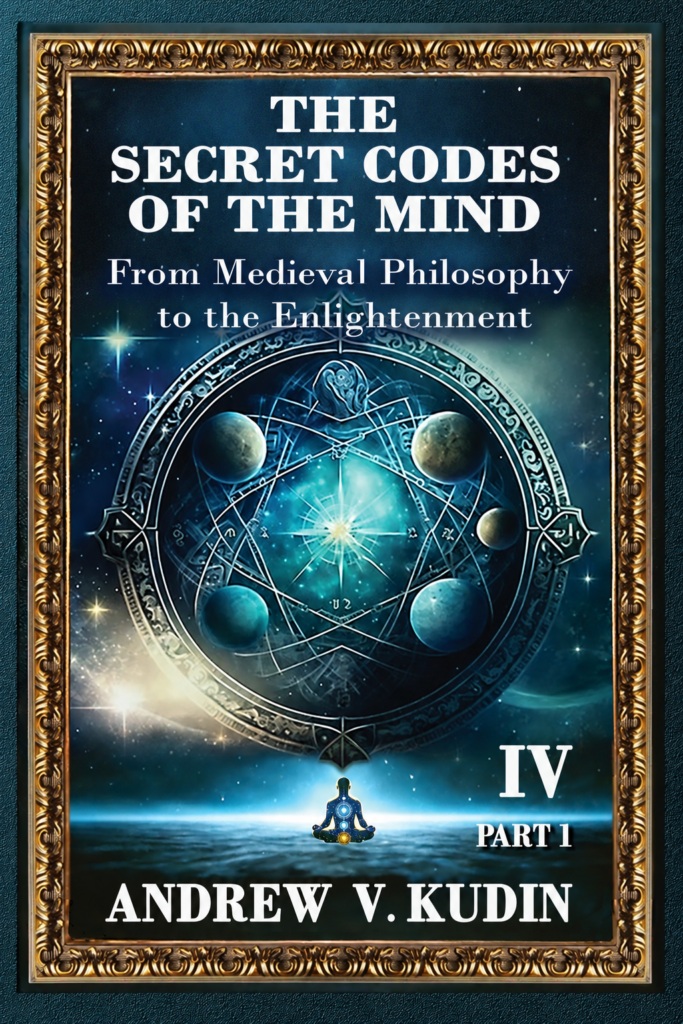
Volume IV · Part I
The Secret Codes of the Mind: From Medieval Philosophy to the Enlightenment, Part One
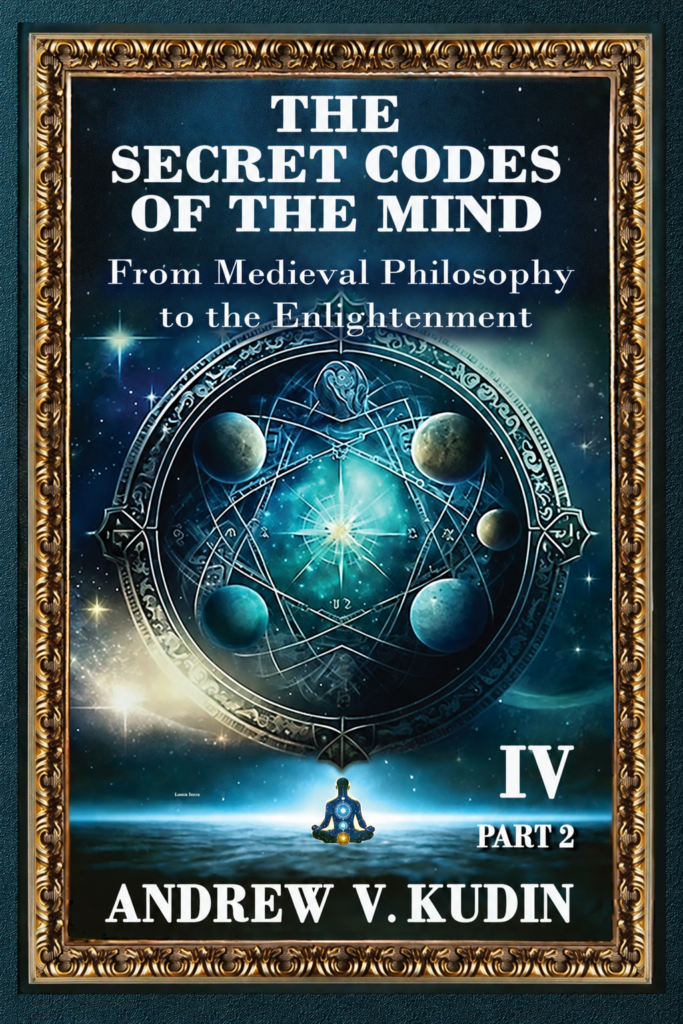
Volume IV · Part II
The Secret Codes of the Mind: From Medieval Philosophy to the Enlightenment, Part Two
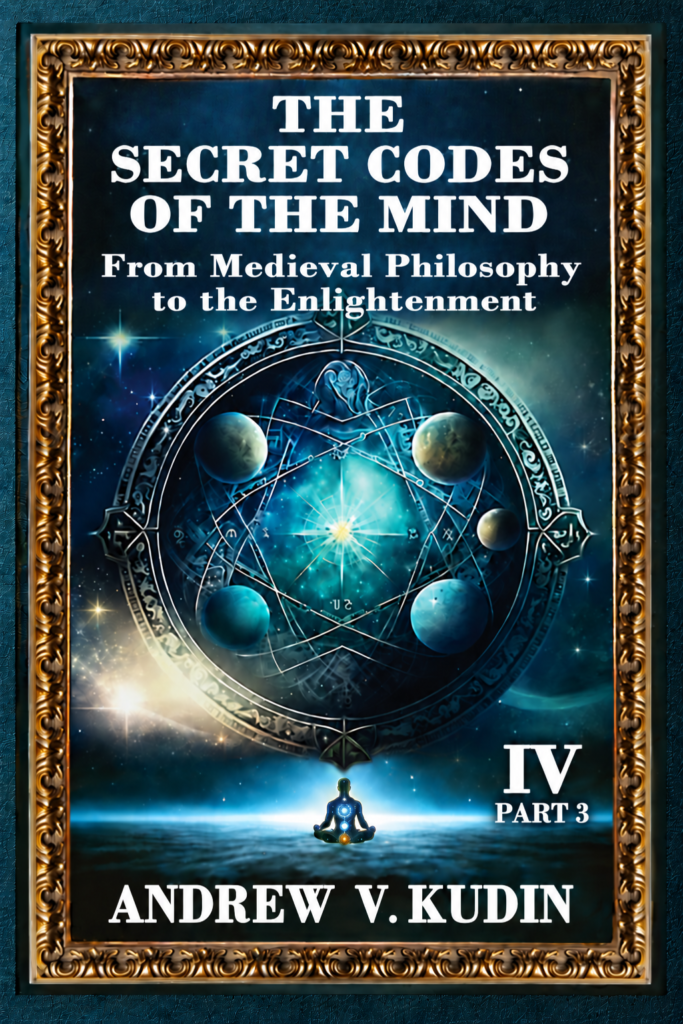
Volume IV · Part III
The Secret Codes of the Mind: From Medieval Philosophy to the Enlightenment, Part Three
Purchase